
Limiting beliefs about harm and how we respond to it
When we explore our national justice systems, we are confronted by our beliefs, both as individuals and a society, about what creates and sustains justice and healing. In nonviolence, we opt for a restorative system based on a higher image of the human being, a “new story.” Here, Michael Nagler offers some counter-points to the beliefs that limit us to retributive action and systems.
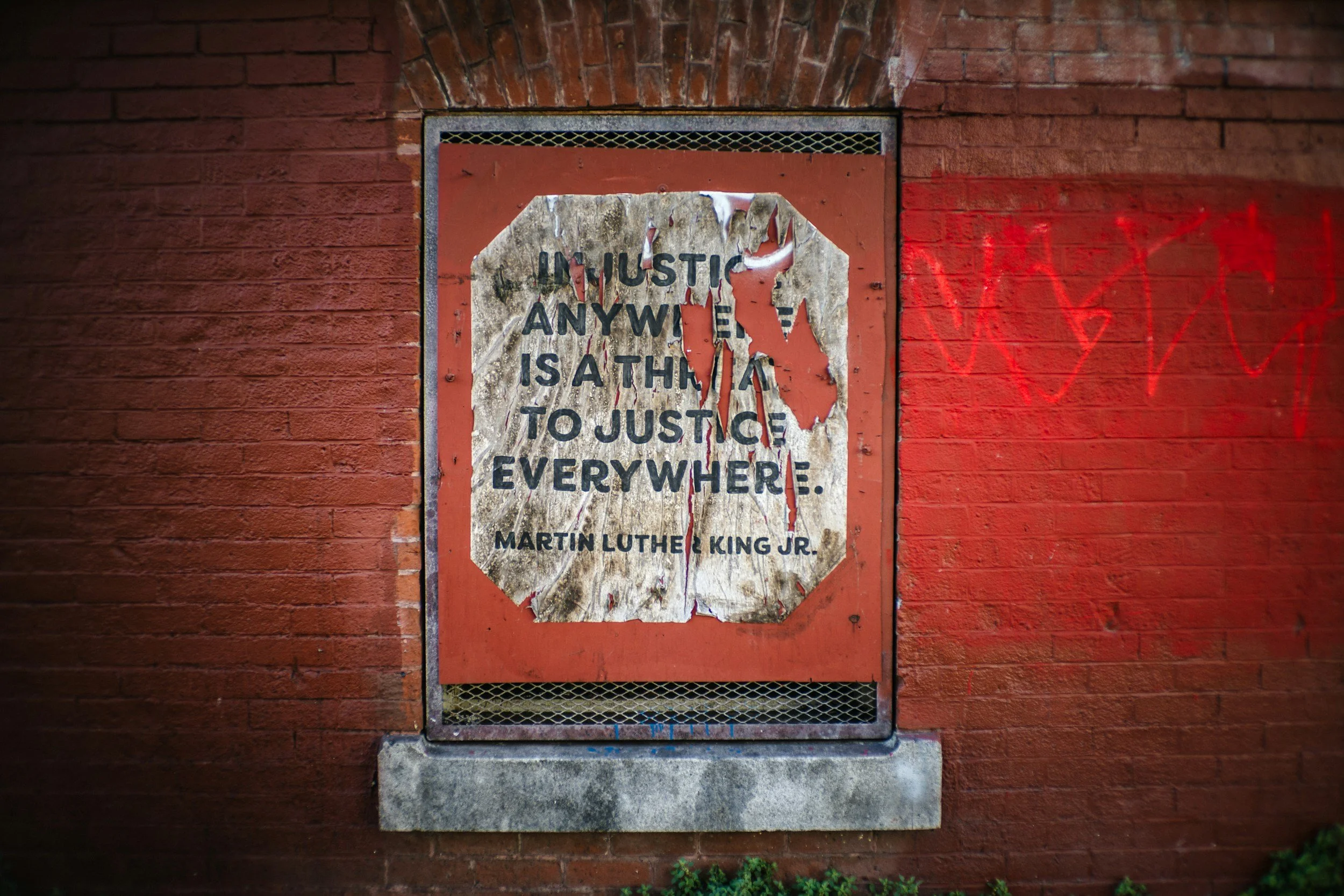
“Injustice anywhere is a threat to justice everywhere.” ~MLK
1. The belief that humans are inherently violent and must be controlled through punishment.
This pessimistic theory has been completely discredited, by scientists. But the image of the human being (us) implied in popular culture generally, throughout that culture, but particularly by advertising, shows us as nasty, selfish, etc. Humankind (Rutger Bregman) is one good recent source to show how the stories we tell ourselves even about events that actually happened 𑁋 the Titanic, the murder of Kitty Genovese stick in my mind 𑁋 are drastically and damagingly wrong. Every society has many more powerful ways to guide and control the behavior of its members, e.g. by persuasion. Punishment, e.g. exile, is rare, used only for extreme cases.
2. The belief that punishment works—especially that it deters harm or brings healing.
I think the biggest claim about punishment is that it deters, and that’s demonstrably wrong. Recidivism is high in the U.S. criminal ‘justice’ system. These facts, like the above, are ignored. Paradigms speak louder than facts. As for healing, even the victims of serious crime, e.g. family members of persons killed, very often say they do not want punishment; it does not bring closure, much less healing.
3. The belief that others (or institutions) should determine what is healing, rather than those directly affected or the community.
Exactly wrong. This is symptomatic of a very widespread false belief about human beings, that we have limited or no agency, that we need others, ultimately government, to do things for us, individually and as a society. Very demeaning and damaging. The criterion for everything we do, for ourselves and others, should be, does this help the subject grow. When my grandmother died (grandma Yetta, age 102), her son, my uncle, complained at the burial, ‘In the old days we used to shove dirt on the casket ourselves; it was a machiah (blessing).’ Now we are separated from our emotions, leaving wounds unhealed, often by entities far removed and impersonal who don’t know us.
4. The belief that harm affects only the person directly impacted, rather than everyone involved—including the broader community.
Sigh, wrong again. The harm happens to everyone concerned including the perpetrator of the harm. The discovery of “moral injury” is one of the great breakthroughs made by science into the true, interconnected nature, of who we are; See item 6.
5. The belief that people cannot change.
Here we go again; comforting (sometimes), but false. Estranged individuals can be reconciled, ‘hardened’ criminals can be restored 𑁋 it happens over and over, and mature cultures like the Maori of NZ, the Navajo (Anasazi) of the U.S., and countless examples from all over the world (thank you Doug Fry, e.g. War, Peace, and Human Nature) institutionalize this capacity to change in countless ways. We can 𑁋 today often are 𑁋 so conditioned we no longer believe in our capacity to change and fail to recognize it when we do.
I was a very different guy 30-40 years ago!
6. The belief that we are fundamentally separate from one another.
I’m glad you finally came out with it. This is the root of all the other lies; it’s existential and severely damaging. It springs from the grandmother of all lies, that we are only or primarily our physical bodies, the part of us you can see and touch. E.g. “the old story.” If only we were taught in school, nay, in our families that we are body, mind, and spirit (aka consciousness), in increasing order of power and importance, all this could be corrected. So that’s what we can do in our own minds and hearts. The change starts there, and by and by, as Mahatma Gandhi said, ‘might o’ersweep the world.’ Now that would be a cleanup, eh?