
May: Week 4
This week, we encourage you to reflect on what restorative justice looks like where you live — and to help share the new story in your community!
As we close our May study of restorative justice, we invite you to turn your attention toward your own local community. What restorative justice resources already exist around you? Who are the people, organizations, schools, faith communities, mediators, facilitators, or training centers helping to move society from retributive models of justice toward practices rooted in accountability, healing, and repair?
You might begin by researching restorative justice organizations in your area, looking into local mediation centers, school-based restorative programs, community circles, diversion programs, or trainings. There are many networks and organizations working in this field, from grassroots community projects to national associations and educational institutions.
As you explore, consider not only what exists, but also how these resources become visible and accessible to others. Could you create a simple community resource list? Share local organizations on social media? Organize a gathering or conversation? Introduce restorative justice resources to a school, congregation, workplace, or activist community? Sometimes one meaningful act of attention can help strengthen the web of relationships and support already present around us.
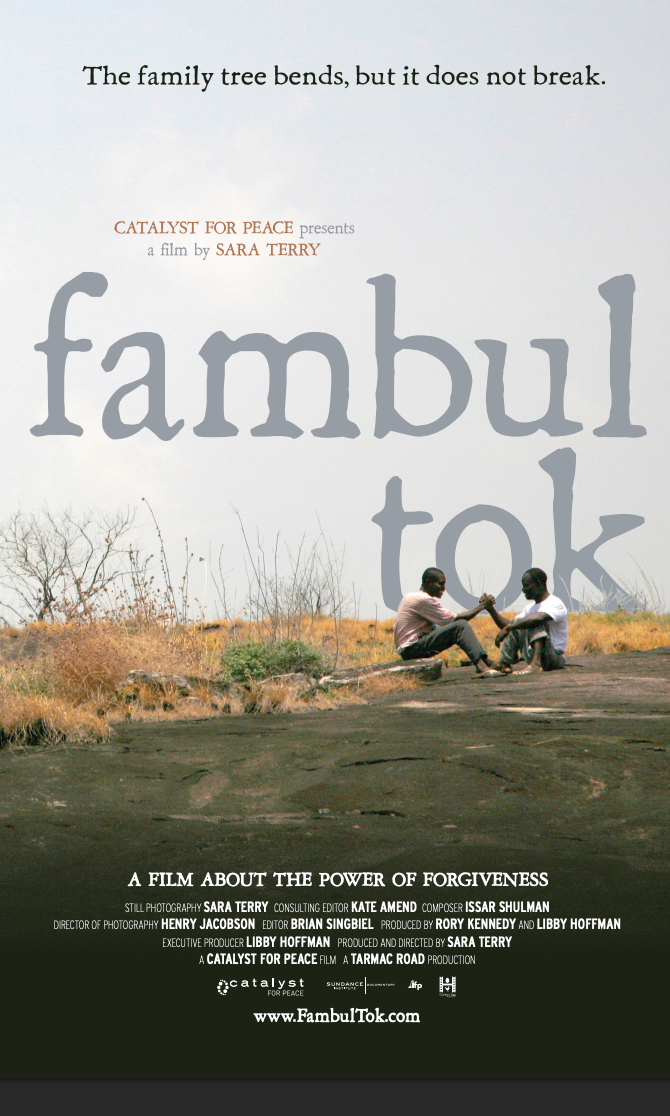
For this final week, we also recommend watching the documentary Fambul Tok. Set in post-civil war Sierra Leone, the film explores community-based processes of truth-telling, accountability, forgiveness, and healing outside of punitive systems. Rather than focusing primarily on punishment, the film asks what becomes possible when communities take responsibility for restoring relationships and rebuilding the social fabric after profound harm.
As you engage with this week’s experiment of mapping restorative justice resources in your own community, Fambul Tok offers an opportunity to reflect on restorative justice not simply as a set of techniques, but as a different understanding of human beings, conflict, accountability, and belonging. What kinds of conditions make restoration possible? What role does community play in healing harm? And what capacities already exist within ordinary people that our systems often overlook or underestimate?